
Technology
Your tiny, election news-free zone today
By Marcus Chen
Advertisement · Why this ad?
Marcus manages the day-to-day editorial workflow across all brands, coordinating coverage assignments and ensuring editorial standards are met. He previously served as city editor at the Pioneer Press and holds a degree in Political Science from Carleton College.
More from Marcus →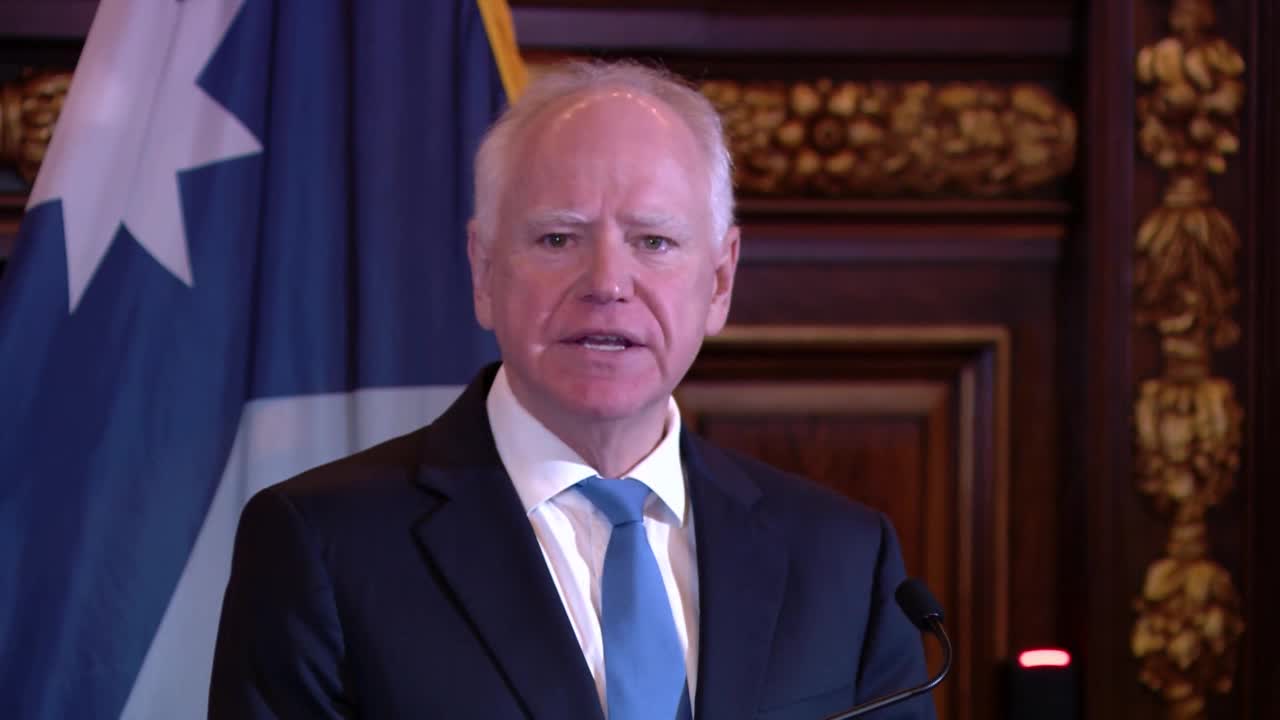
As Minnesota approaches a significant political milestone, Governor Tim Walz’s announcement of a planned leadership transition in 2027 marks a pivotal moment for the state’s residents and institutions. With the governor stepping down after his second term, the community now faces questions about continuity, stability, and the future direction of policies that impact daily life—from education and healthcare to economic development and community well-being. This comprehensive look explores what Walz’s transition plan entails, its broader implications for Minnesota’s diverse communities, and what residents should watch for in the coming months.
Governor Walz’s emphasis on a secure and effective transition underscores his commitment to maintaining the momentum of his administration’s initiatives. His focus is on ensuring that ongoing programs—such as the state’s efforts to support families, improve healthcare, and foster economic growth—continue uninterrupted, even as new leadership takes the helm. This approach aims to protect the investments made over the past several years and to uphold the public’s trust in government institutions.
Walz’s comments reflect a broader concern shared by many Minnesotans: that political stability and continuity are vital during times of leadership change. His acknowledgment of issues like fraud and corruption—“people stole from Minnesotans”—also signals a desire to reinforce integrity in government, reassuring the public that accountability remains a priority as the state transitions to new leadership in 2027.
Among the critical areas Walz highlighted are programs that support vulnerable populations, such as free school meals and paid family and medical leave. These initiatives have become cornerstones of his administration’s efforts to create a more equitable society. The governor’s emphasis on these policies suggests he hopes the next administration will prioritize social safety nets and continue to address economic disparities across Minnesota’s diverse communities.
Additionally, Walz’s mention of strategic investments in medical technology and foreign investment signals a broader vision for Minnesota’s future—one rooted in innovation and economic diversification. His administration has worked to position Minnesota as a leader in healthcare technology, attracting international investment, notably from Japan, which he identified as Minnesota’s largest direct foreign investor. These efforts aim to bolster the state’s economy and ensure Minnesota remains competitive in the global marketplace.
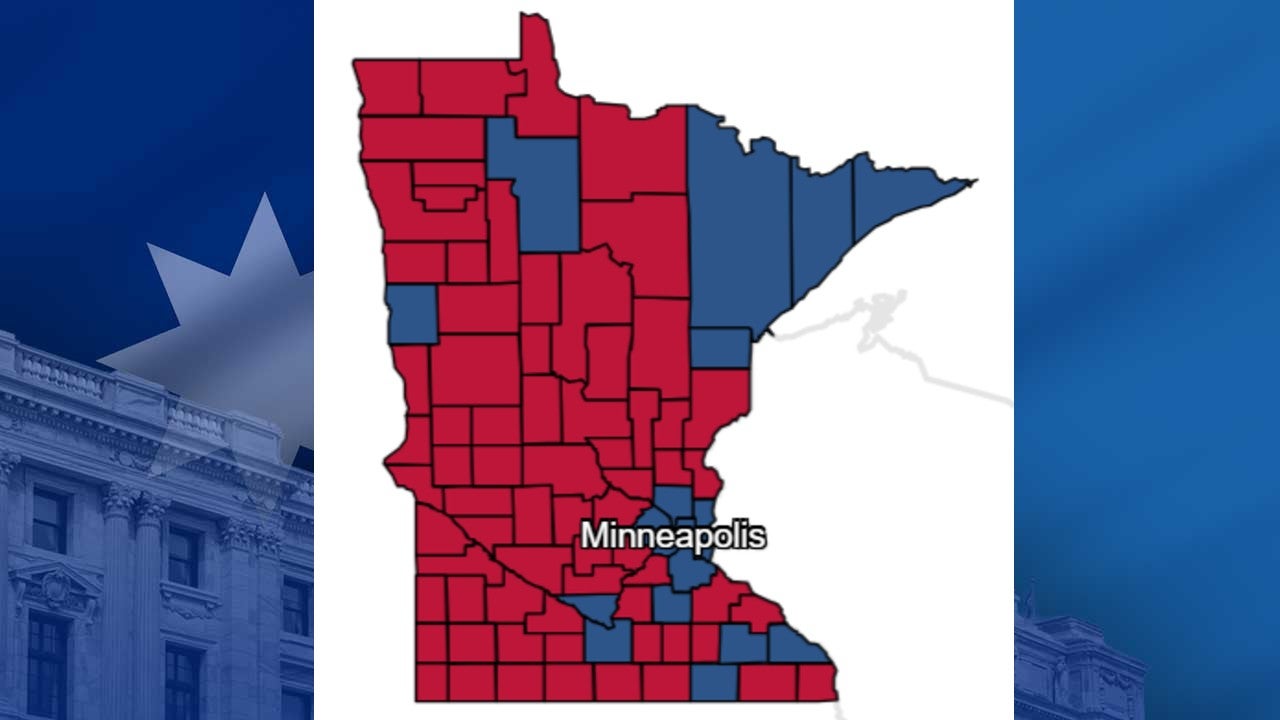
While Walz’s policies have broadly aimed to address statewide issues, Minnesota’s geographic and demographic diversity presents unique challenges. Rural communities, particularly in the Iron Range and agricultural plains, have long struggled with issues like healthcare access, broadband connectivity, and economic diversification. Walz’s administration has prioritized expanding broadband infrastructure, supporting rural health clinics, and investing in local schools to help bridge these gaps. The transition period will be crucial in sustaining these efforts, ensuring that rural voices continue to be heard and supported.
In urban centers like Minneapolis and St. Paul, issues such as housing affordability, public safety, and economic inequality remain at the forefront. The incoming leadership will need to navigate these complex issues, balancing development with community needs. Walz’s focus on community engagement and inclusivity sets a precedent that future leaders will likely aim to uphold, emphasizing the importance of equitable growth across Minnesota’s diverse populations.
Minnesota’s economy has shown resilience, partly due to strategic investments in emerging sectors like healthcare technology, renewable energy, and digital infrastructure. Walz’s efforts to attract foreign investment, especially from Japan, have helped position Minnesota as a hub for biotech and medical device innovation. Companies such as Medtronic and Boston Scientific have expanded operations, creating high-paying jobs and advancing health solutions. The next administration will need to continue fostering these sectors to maintain economic momentum and adapt to global shifts.
Furthermore, Minnesota’s focus on sustainability and renewable energy aligns with national trends toward climate resilience. The state’s investments in sustainable manufacturing and clean energy projects are part of a broader strategy to create a resilient, future-proof economy that benefits all residents.
Walz’s leadership has been characterized by a focus on families, community well-being, and inclusivity. His administration’s programs—like free school meals and paid leave—have directly impacted the lives of thousands of Minnesotans, especially those in vulnerable populations. As the transition unfolds, residents and community organizations are hopeful that these priorities will endure under new leadership, ensuring ongoing support for families and marginalized communities.
Community leaders across Minnesota—whether in urban neighborhoods or rural towns—are closely monitoring the transition, emphasizing the importance of transparency and stability. They recognize that effective leadership is essential for addressing ongoing challenges such as housing affordability, climate change, and public health crises. The community’s collective hope is that future governors will continue to champion policies rooted in equity, resilience, and community engagement.
From the Twin Cities to the Iron Range, residents have voiced a desire for leadership that understands local needs. Small business owners, teachers, healthcare workers, and advocacy groups have expressed support for a smooth transition that preserves progress and builds on it. The importance of maintaining trust in government institutions during this period cannot be overstated, especially as the state grapples with complex issues like climate adaptation and economic recovery post-pandemic.
These regional perspectives highlight the necessity of inclusive policymaking that respects Minnesota’s diversity. The upcoming leadership change presents an opportunity for renewal, provided that the new administration remains committed to listening and responding to the voices of all Minnesotans.
Looking ahead, Walz has shared his personal plans to return to teaching, signaling a desire to reconnect with his roots in education. His departure from public office opens space for new leaders to shape the state’s future, with the hope that they will continue to prioritize programs that support families, health, and economic growth. The transition period will be a critical window for setting the tone and agenda for the next chapter of Minnesota’s governance.
State officials are already working on detailed planning and briefings to ensure a smooth handoff, recognizing that stability is essential for ongoing progress. As the new administration prepares to take office, residents should stay engaged, asking questions about how policies will evolve and what commitments will be made to address pressing issues like climate resilience, affordable housing, and healthcare access.
The transition is more than a political event; it’s a community milestone that will influence Minnesota’s trajectory for years to come. The community’s participation and vigilance will be vital in holding leaders accountable and ensuring that the values of inclusivity, resilience, and shared prosperity remain central to Minnesota’s future.
In the coming months, community organizations, local governments, and advocacy groups will play a crucial role in shaping the transition process. Their efforts will help ensure that the next administration continues to prioritize Minnesotans’ needs and values, fostering a future built on trust, innovation, and community strength.
By Marcus Chen
By Marcus Chen

By Marcus Chen

By Marcus Chen