Arts
CT scans helping researchers in fight against invasive species in Minnesota waterways
By Katherine Langford
Advertisement · Why this ad?
Marcus manages the day-to-day editorial workflow across all brands, coordinating coverage assignments and ensuring editorial standards are met. He previously served as city editor at the Pioneer Press and holds a degree in Political Science from Carleton College.
More from Marcus →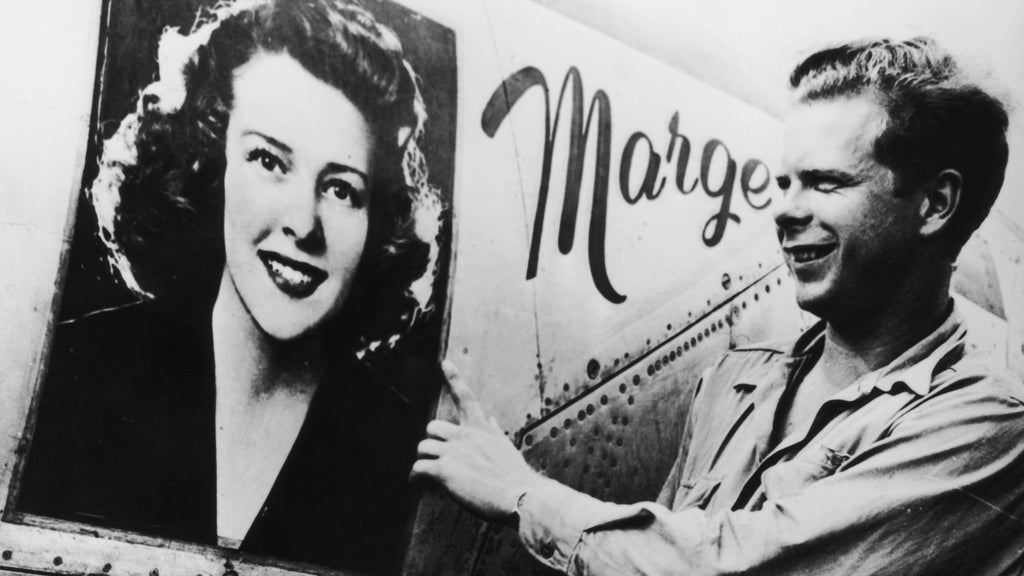
On a sunny afternoon in Superior, Wisconsin, a group of veterans gathered at the Richard I. Bong Veterans Museum, their faces illuminated by the glow of history. Among them was John Gidley, the museum's executive director, who proudly shared the story of Richard Bong, America's most decorated combat pilot of World War II. As the veterans reminisced, an air of reverence filled the room, underscoring the importance of preserving their stories.
Richard Bong, born in Poplar, Wisconsin, is celebrated for his unmatched record of 40 aerial victories during World War II. His journey began in December 1942 when he shot down his first Japanese plane and concluded two years later with his final victory. Bong's extraordinary skill and bravery made him a national hero, but it was his personal story that captured the hearts of many.
With his wife Marge's face painted on the side of his P-38 fighter planes, Bong became a symbol of love and commitment amidst the chaos of war. “Today they would say the story went viral,” Gidley noted, emphasizing how the couple's romance became a beacon of hope during dark times. Their love story, however, remains one of the best narratives from World War II that Hollywood never adapted into film.
Tragically, Bong's life was cut short. After receiving the Medal of Honor at just 24 years old, he transitioned to a military test pilot role. Just six months later, his promising life ended in a plane crash in California. Gidley reiterated the museum's mission: “It’s our goal to make sure their story isn’t forgotten.”
Recently, the museum celebrated the return of a significant artifact—a red wingtip from Bong's beloved P-38, known as the 'Marge' plane. This piece of history was lost for decades after the aircraft crashed in the jungles of Papua New Guinea while being flown by another pilot. Fortunately, that pilot survived, but the plane remained a mystery until a dedicated expedition, dubbed “Mission Marge,” uncovered the wingtip.
Tristan Akason, the museum's marketing and events coordinator, shared the excitement surrounding the artifact's return. “We sat on the information for two years and then brought it back just this summer,” he said. The wingtip now holds a cherished place in the museum, serving as a tangible connection to Bong's legacy.
The Richard I. Bong Veterans Museum is more than just a repository of artifacts; it is a testament to the sacrifices made by countless veterans. The museum honors not only Bong's story but also the stories of local veterans from various conflicts, including the Korean War and Vietnam. Gidley emphasized, “If you look at all the exhibits, behind them is a local person, a local veteran's story for the most part.”
This dedication to local heroes resonates deeply with the community. The museum attracts visitors year-round, with peak attendance on Veterans Day, Memorial Day, and the Fourth of July. Families and individuals come to learn about the sacrifices made by those who served, fostering a sense of gratitude and respect for the armed forces.
For many, the museum is a vital resource for understanding the impact of war on families and communities. It serves as a reminder of the importance of strong marriages and intact families, values that are echoed in the stories of veterans who fought for their loved ones back home.
The museum's mission extends beyond showcasing artifacts; it aims to honor the sacrifices made by veterans and ensure their stories are told. Gidley highlighted the importance of respect and gratitude for what veterans have done for the country. This commitment to honoring veterans is crucial, especially in a time when the sacrifices of military personnel can often be overlooked.
As visitors walk through the museum, they are met with powerful exhibits that depict the realities of war and the resilience of those who served. The stories of local veterans, intertwined with national narratives, create a rich tapestry that educates and inspires. The museum stands as a beacon of hope and remembrance, reminding all who enter of the strength of the human spirit.
As the Richard I. Bong Veterans Museum continues to grow, plans are in place to expand its outreach and educational programs. Gidley and his team are committed to engaging the community through events and initiatives that highlight the importance of veterans’ stories. “Basically, our mission is to honor veterans and show them the respect and gratitude we have for what they’ve sacrificed and what they’ve done for us,” he reiterated.
The museum is also exploring partnerships with local schools and organizations to create programs that educate younger generations about the sacrifices made by veterans. By fostering an understanding of history, the museum hopes to instill a sense of pride and responsibility in the community.
Moreover, the museum plans to host interactive events, including veteran storytelling sessions and educational workshops, to foster dialogue between veterans and community members. These initiatives aim to bridge the gap between generations, allowing younger audiences to connect with the experiences of those who served. Local schools are already expressing interest in field trips that incorporate history lessons with the museum's exhibits, making the stories of veterans accessible and engaging for students.
With the recent acquisition of the wingtip and ongoing efforts to preserve the legacy of Richard Bong and other veterans, the future looks promising for the museum. It remains a vital resource for honoring the past while inspiring future generations to appreciate the freedoms afforded to them.
In conclusion, the Richard I. Bong Veterans Museum stands as a testament to the valor of American heroes. From Bong's remarkable achievements in the skies to the enduring legacy of love and sacrifice, the museum ensures that their stories will never be forgotten. As the community rallies around this institution, it becomes a cornerstone for honoring the sacrifices of veterans and celebrating the values that bind families and communities together. The museum is not just a place for remembrance; it is a living tribute to the ongoing journey of healing and understanding that continues long after the echoes of war fade.
By Katherine Langford

By Marcus Chen

By Marcus Chen
By Katherine Langford