
Technology
Rocori Schools ask voters to vote yes Tuesday to support technology upgrades
By Marcus Chen
Advertisement · Why this ad?
Katherine oversees editorial operations across all six brands. Before joining The Meridan Group, she spent 14 years at the Minneapolis Star Tribune, where she led the metro desk through its digital transformation. She holds a Master's in Journalism from Northwestern's Medill School.
More from Katherine →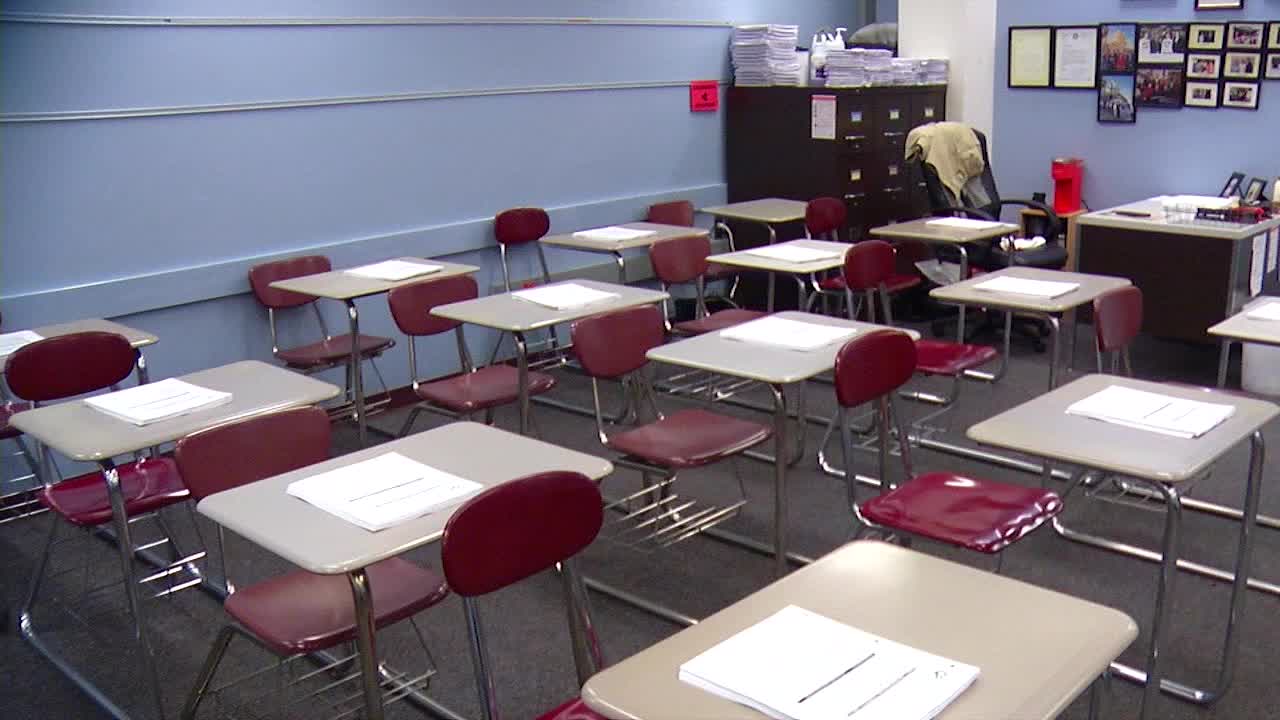
The quiet hum of classrooms and the laughter of children are hallmarks of a thriving community, but for St. Paul Public Schools, a period of introspection and difficult decisions lies ahead. A recent decline in student enrollment, coupled with shifting demographics, has prompted district leaders to initiate a comprehensive review of school facilities and academic programs – a process that could ultimately lead to school closures or consolidations. The impetus for this assessment arises from a stark reality: a decade ago, the district served 39,000 students; today, that number has dwindled to 32,000, a reduction that demands careful consideration of resource allocation and the future of educational infrastructure.
St. Paul Public Schools has launched a “Facilities Portfolio Analysis,” a multi-year review of its schools, programs, and buildings. This analysis, initiated approximately a year ago, aims to determine whether school buildings, academic programs, and district resources align with current and projected student needs. Superintendent Stacie Stanley explained the process began with the formation of a roughly 30-member “Facilities Advisory Task Force,” comprised of parents, students, staff, community partners, union representatives, and school board members. The task force met eight times between June and October, developing the criteria that will be used to evaluate schools and buildings.
The district’s intent, as stated by Superintendent Stanley, was to proactively engage the community from the outset. “I really want our community to know that there are no decisions that are made right now,” she said. “This is really a genuine process, and it is transparent. And that’s why we will be engaging the community.” This commitment to transparency underscores the district’s recognition that any potential changes will significantly impact families and neighborhoods throughout St. Paul. The review is integral to the district's Strategic Plan, designed to ensure efficient resource allocation and continued access to academic and enrichment opportunities for all students.
The declining enrollment is a significant driver of this review, with demographers projecting a continued decrease in birth rates across Minnesota. These projections indicate the district could see further declines, potentially reaching as low as 20,000 students by 2050. Superintendent Stanley emphasized that initiating this planning now is crucial to avoid more challenging circumstances in the future. The superintendent acknowledged the financial implications of declining enrollment, stating, “School finances are based on student enrollment, and so we really want to be thoughtful about that.” Running 69 buildings with a significantly reduced student population presents an inefficiency that the district seeks to address.
The Facilities Advisory Task Force developed criteria encompassing building characteristics, program characteristics, and location characteristics. Building considerations include capacity, safety, accessibility, technology, maintenance needs, and environmental sustainability. Program considerations focus on enrollment trends, student demographics, student achievement, program demand, and access to opportunities. Location considerations encompass neighborhood characteristics, proximity to other schools, community resources, and transportation access. A key criterion states that schools with more than 70% of available seats filled will be prioritized. The evaluation also acknowledges the importance of serving high numbers of low-income students, immigrant and refugee families, providing diverse programming, and meeting a wide range of student learning needs.
Superintendent Stanley stressed that no single criterion will dictate a school’s fate. “The criteria at this point are not weighted, so it isn’t that this criteria is more important than another criteria,” she explained. Instead, a holistic assessment considering the combination of factors and community feedback will guide decision-making. This approach aims to ensure that any changes are made with careful consideration of the diverse needs and priorities within the St. Paul community. The district will be collecting additional feedback through an online engagement platform and planned community meetings.
Recognizing the anxieties associated with potential school closures, district leaders are prioritizing community engagement throughout the process. Superintendent Stanley emphasized the importance of repeated public feedback and a willingness to adjust proposals accordingly. “The criteria is going to play a strong role in that, but more than that, it is really about community engagement,” she stated. The district plans to utilize an online engagement platform and host community meetings throughout the winter and spring to facilitate ongoing dialogue and gather diverse perspectives.
It remains too early to determine the extent of potential impact on schools or whether staffing reductions might be necessary. The district will continue to review enrollment data, assess academic programming, evaluate facility conditions, and actively solicit community feedback before formulating recommendations. Stanley stated that the goal is to spread resources more evenly across the district, ensuring all students have access to a wide range of academic and enrichment opportunities. The school board is slated to make a final decision in August 2027, with any approved changes not taking effect until the 2028-29 school year.
The district's financial situation is inextricably linked to its enrollment numbers. With approximately 7,000 fewer students than a decade ago, St. Paul Public Schools faces significant budgetary challenges. Superintendent Stanley highlighted this connection, stating, “School finances are based on student enrollment…when we are down that many students right now, it becomes not as effective to run 69 buildings.” This reality underscores the urgency of the Facilities Portfolio Analysis and the need to find more efficient ways to allocate resources.
The projected decline in student population to 20,000 by 2050 is a sobering figure, and it demands a long-term vision for the district’s future. Beyond the immediate concerns of building closures, it raises questions about program sustainability and the ability to provide specialized services to a smaller student body. Parents should actively participate in the community engagement sessions, offering their insights and advocating for solutions that prioritize student well-being and community cohesion. The decisions made in the coming years will shape the educational landscape of St. Paul for generations to come, and it is essential that all stakeholders have a voice in the process.
Families and community members seeking more information about the Facilities Portfolio Analysis and opportunities for engagement can find resources on the St. Paul Public Schools website. The Facilities Portfolio Analysis page provides detailed information about the process, including timelines, task force members, and upcoming events. The Strategic Plan outlines the district’s long-term goals and priorities. For those seeking support or advocacy related to school issues, the Parent Engagement page offers resources and contact information. The district encourages all stakeholders to actively participate in the ongoing dialogue and contribute to shaping the future of St. Paul Public Schools.
The St. Paul Public Schools is also committed to ensuring that families have access to the information they need to make informed decisions about their children’s education. The district plans to email families a ThoughtExchange survey next week and hold additional community engagement sessions throughout the winter and spring.
The long-term success of St. Paul Public Schools depends on the collective efforts of educators, families, and community members. By embracing open communication, prioritizing student well-being, and fostering a shared commitment to excellence, St. Paul can navigate this challenging period and emerge stronger than ever. The future of our children and the vitality of our community depend on it.
By Marcus Chen
By Katherine Langford
By Katherine Langford

By Katherine Langford