
Community
Wisconsin election results and live counts for 2026 midterm election
By Marcus Chen
Advertisement · Why this ad?
Katherine oversees editorial operations across all six brands. Before joining The Meridan Group, she spent 14 years at the Minneapolis Star Tribune, where she led the metro desk through its digital transformation. She holds a Master's in Journalism from Northwestern's Medill School.
More from Katherine →
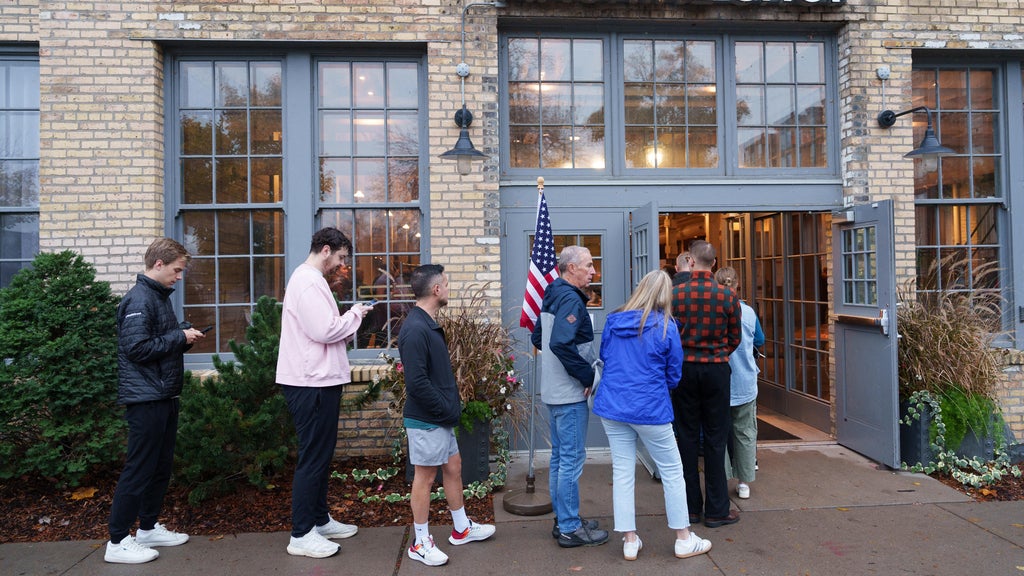
On a crisp autumn evening in Minneapolis, the Cedar-Riverside neighborhood buzzed with anticipation as residents made their way to the polling stations. Among them was Amino Abdi, whose family has deep roots in the Somali community. Clad in a vibrant hijab, she expressed a sentiment that echoed through the crowd: "You're supposed to vote if you stay in the country because for your life, for progressing in the country, for our community." This sense of urgency to participate in the democratic process is palpable, especially in light of recent immigration law enforcement actions that have left many feeling vulnerable.
In recent months, Minnesota has witnessed a surge in immigration law enforcement, particularly through initiatives like Operation Metro Surge. This operation has targeted undocumented immigrants, creating a climate of fear and uncertainty within immigrant communities. As a result, many residents are feeling the ripple effects of these actions, prompting a notable uptick in voter turnout during the midterm elections. According to reports, one in eleven Minnesotans were born outside the United States, and these individuals have historically demonstrated a strong commitment to voting.
The Cedar-Riverside polling station, a hub for the Somali community, saw significant turnout on Election Day. Poll managers reported a robust engagement from voters, who articulated a deep understanding of the importance of their participation in the electoral process. Mustafa Diriye, a voter at the station, remarked, "We come from places you don't have a voice, so we don't take for granted. Always people who are native born, they take for granted. We don't, and this is the basis we teach our kids, generations to come: get up and vote." This perspective underscores the unique challenges faced by immigrant populations and their determination to make their voices heard.
The atmosphere at the polling station was charged with a mix of hope and anxiety. Many voters expressed that their decision to vote was not merely a civic duty but a necessity driven by the current socio-political climate. Manny Vazquez, a 20-year-old from the Phillips community, articulated this sentiment well: "I feel like despite whether my community was attacked, I still would have voted regardless." His determination reflects a broader trend among young voters who recognize the impact of their choices on their futures.
For many in the community, voting is a way to assert their rights and advocate for their families. The fear instilled by recent ICE actions has not deterred voters but rather galvanized them. As one voter noted, "It has affected a lot of livelihoods and the way that people live their lives around here, and we're still feeling the ripple effects." This acknowledgment of the consequences of immigration enforcement highlights the interconnectedness of civic engagement and community well-being.
As Election Day unfolded, it became evident that the immigrant communities in Minneapolis were not merely participating in a ritual; they were engaging in a vital act of resistance against policies that threaten their existence. The act of voting is imbued with a sense of urgency, as residents understand that their choices can influence policies affecting their families and communities. The collective voice of these communities is crucial in shaping local and national conversations around immigration and social justice.
Moreover, the emphasis on teaching future generations about the importance of voting cannot be overstated. Community leaders and parents alike are instilling a sense of responsibility in their children, ensuring that they understand the value of their voices in a democracy. This commitment to civic education is a testament to the resilience of these communities, who, despite facing adversity, continue to foster hope and empowerment.
The ripple effects of immigration enforcement extend beyond individual families; they reverberate through the entire community. The fear and uncertainty created by initiatives like Operation Metro Surge have implications for local businesses, schools, and social services. As families grapple with the challenges of living in a climate of fear, the fabric of the community is tested. Yet, in the face of these challenges, the resolve to vote remains strong.
Local organizations have stepped up to provide resources and support for voters, helping to navigate the complexities of the electoral process. Initiatives aimed at increasing voter registration and turnout among immigrant populations have gained traction, reflecting a growing recognition of the importance of these voices in shaping local governance. The community's commitment to civic engagement is a powerful counter-narrative to the fear tactics employed by immigration enforcement.
Organizations like the Minnesota Immigrant Rights Action Committee and the ACLU of Minnesota have been instrumental in mobilizing voters and providing critical information about their rights. They have organized workshops and informational sessions in multiple languages, ensuring that language barriers do not prevent participation. These efforts have fostered a sense of solidarity among diverse immigrant groups, encouraging them to unite for a common cause.
The stories of individuals like Amino Abdi and Manny Vazquez are not isolated; they reflect a broader narrative shared by many in Minneapolis' immigrant communities. Local leaders have emphasized the importance of these voices in shaping policy and advocating for change. For instance, community forums have been organized to discuss the impact of immigration policies on everyday lives, allowing residents to share their experiences and concerns with local officials.
Additionally, local artists and activists have used their platforms to raise awareness about the importance of civic engagement. Through art, music, and public demonstrations, they have highlighted the struggles faced by immigrant communities, fostering a sense of unity and purpose. This cultural expression not only serves as a form of resistance but also as a means of educating the wider community about the challenges immigrants face.
As the dust settles from the recent elections, the question remains: what lies ahead for Minneapolis' immigrant communities? The outcome of these elections will undoubtedly influence the trajectory of policies affecting immigrants and their families. However, the real victory may lie in the mobilization of these communities and their unwavering commitment to participate in the democratic process.
Looking forward, it is essential for local leaders to recognize and amplify the voices of immigrant communities. Ensuring that these populations have a seat at the table is crucial for fostering inclusive policies that reflect the diverse needs of the community. As the city navigates the complexities of immigration and social justice, the lessons learned from this election cycle will serve as a foundation for future advocacy and engagement.
Furthermore, the ongoing dialogue between elected officials and immigrant community leaders will be vital in addressing the concerns raised during this election. Establishing regular forums for discussion can help to bridge the gap between policymakers and constituents, ensuring that the needs of immigrant communities are prioritized in future legislation.
The recent surge in voter turnout among Minneapolis' immigrant communities is a testament to their resilience and determination. In the face of adversity, these individuals have chosen to assert their rights and engage in the democratic process. The stories of voters like Amino Abdi and Manny Vazquez highlight the profound connection between civic engagement and community well-being. As we move forward, it is imperative to continue supporting and uplifting these voices, ensuring that the American dream remains accessible to all, regardless of their background.
By Marcus Chen
By Katherine Langford

By Marcus Chen
By Marcus Chen